Free Consultation
for your next home improvement project!
X
Get Started With A Free Design Consultation -
for your next home improvement project!

Thank you! Your submission has been received!
Oops! Something went wrong while submitting the form.

How Much Does a Deck Cost in Massachusetts? 2026 Cost Guide
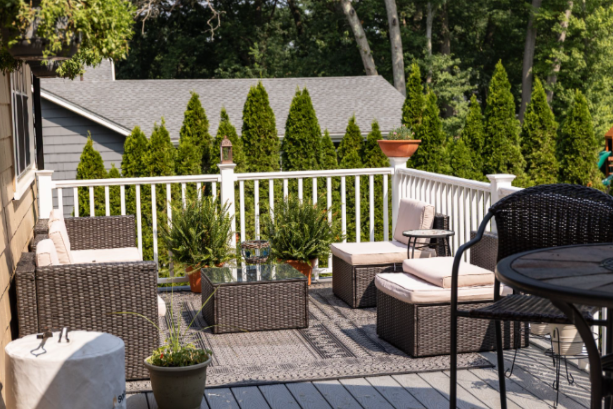
Most professional deck projects in Massachusetts cost between $15,000 and $35,000. Smaller deck refresh projects can cost less. Larger composite or PVC decks with stairs, railings, structural repairs, upgraded finishes, or custom details can reach $50,000 to $60,000 or more.
That number covers the full project.
When we price a deck, we are looking at the surface material, the structure underneath, demolition, labor, stairs, railings, permits, and how much detail the finished deck needs. A simple board replacement is a very different job compared to removing an old deck and rebuilding it with new framing, composite boards, and a full stair system.
The first step is scope. Once you know what kind of deck project you are pricing, the cost makes more sense.
Understanding Deck Cost Ranges
Deck pricing starts with the type of work being done.
A homeowner replacing worn boards is not pricing the same project as someone rebuilding their deck. The materials may look similar from a distance, but the labor, structure, and safety details are very different.
Most deck projects fall into three categories:
- Resurfacing (board replacement)
- Deck refresh
- New or full deck replacement
These categories help keep the estimate realistic. They also help avoid the most common mistake with deck pricing: comparing board prices before anyone has looked at the frame.
Resurfacing (board replacement)

Board replacement is the lowest-cost deck project when the existing structure is still safe. In Massachusetts, this work can cost between $10,000 and $15,000, depending on the deck size, board material, removal, disposal, and the condition of the frame underneath.
This type of project focuses on the walking surface. The old boards come off, new boards go down, and the main support structure and railings stay in place.
It can make sense when the deck feels stable, the frame is solid, the stairs and railings are still in good shape, and the homeowner likes the current layout.
The part you cannot ignore is what sits under the boards. Old decking can hide rot, water damage, loose framing, or weak connections. If the frame is dry, level, and strong, resurfacing can be a smart update. If the structure has problems, new boards only mask the issue.
Deck Refresh
A deck refresh sits between board resurfacing and full replacement. In Massachusetts, this work can cost between $15,000 and $25,000, depending on how much of the deck needs attention.
A refresh makes sense when the deck needs more boards, but does not need to be torn down. The work may include new decking, railing repairs/replacement, step repairs, cleaning, staining, sealing, hardware updates, or small safety improvements.
This is the middle ground.
It works best when the deck looks worn but still feels stable. The structure needs to be worth keeping. If the frame has serious rot, the stairs feel unsafe, or the railings are loose, a refresh becomes a temporary fix.
For the right deck, a refresh can improve appearance and function without turning the project into a full rebuild.
New or Full Deck Replacement
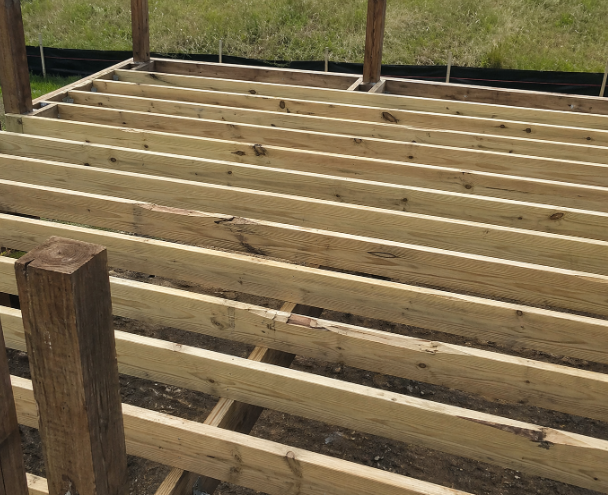
A new deck or full deck replacement is the highest-cost category. In Massachusetts, this type of project can cost between $25,000 and $40,000. Larger composite or PVC decks with stairs, railings, upgraded finishes, or a more complex layout can reach $50,000 to $60,000 or more.
A new deck starts from the ground up. A full replacement means the old deck is removed and a new deck is built in its place.
This scope makes sense when the existing deck moves, feels unstable, has soft boards, loose railings, unsafe stairs, water damage, or a failing frame. It also makes sense when the homeowner wants a better layout, a different material, or a deck where one does not currently exist.
For many older decks in Massachusetts, replacement is the cleaner choice. Repairing one failing section at a time can waste money when the structure has deeper problems.
A full replacement gives the contractor a chance to rebuild the deck correctly, choose materials that fit the home, and design the space around how the homeowner plans to use it.
What Factors Affect Deck Cost?
Once the project type is clear, deck cost comes down to how the deck is built.
Size, shape, materials, labor, stairs, railings, demolition, and finish details all affect the final number. They also overlap. A larger deck needs more boards and more labor. A raised deck needs more railing and stair work. Composite and PVC cost more than wood, and they also require cleaner finish details.
That is why two decks with the same square footage can be priced differently. A low rectangular deck in an open backyard is easier to build than a raised deck with stairs, railings, composite boards, trim, and limited access.
Deck Size
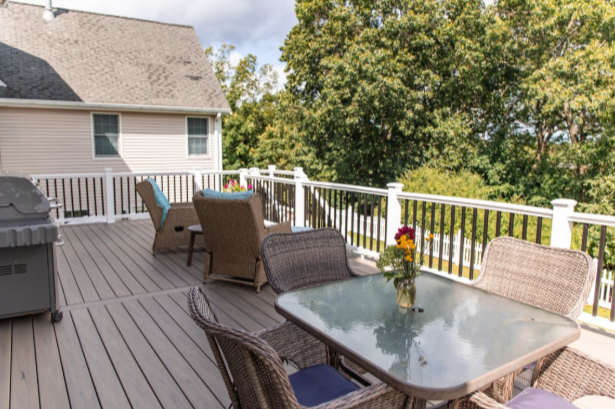
Deck size affects almost every part of the estimate.
A larger deck needs more deck boards, more railings, more framing, more fasteners, and more installation time. If the deck sits higher off the ground, the size can also increase the amount of support, railing, and stair work required.
Square footage matters. It just does not tell the whole story.
A large, low deck with a simple layout may be easier to build than a smaller raised deck with stairs, railings, and more detail. Size should be treated as a cost multiplier because it affects both materials and labor.
Deck Shape
Shape changes the amount of planning, cutting, waste, and finish work.
A simple rectangle keeps the build efficient. Angled corners, curves, multiple levels, picture-frame borders, built-in seating, and custom transitions take more time. They also create more material waste.
Shape may not appear as its own line item in an estimate. It usually shows up through added labor, extra trim, more cuts, and a more detailed installation process.
A clean layout helps control cost. A custom layout can improve the finished deck, but the budget needs to account for the extra work.
Deck Materials
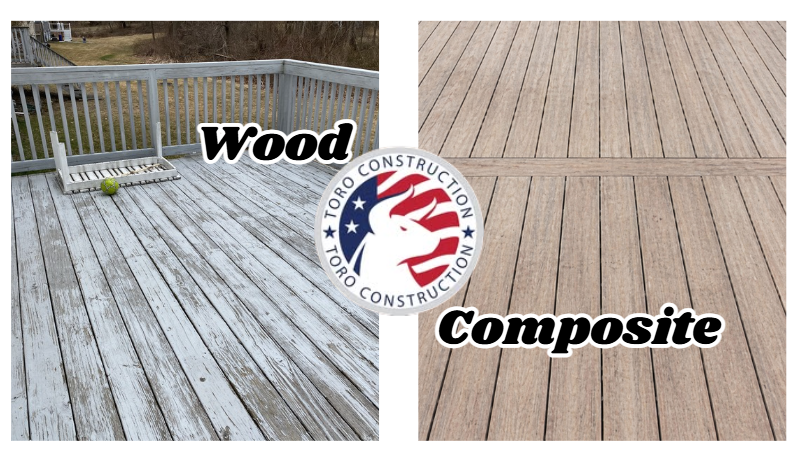
Deck materials usually account for about 30% to 40% of a full deck replacement budget.
Pressure-treated wood keeps the upfront cost lower, but it needs more maintenance over time. Composite costs more upfront, but it reduces maintenance and gives the deck a cleaner finished look. PVC sits at the higher end because it is a premium, low-maintenance material.
Materials include more than the visible boards. Fasteners, trim, fascia, railing compatibility, and finish details all affect the final price.
Material choice can also affect installation. Composite and PVC need cleaner cuts, hidden fasteners, fascia, and careful trim work. That can raise labor and material costs.
Labor and Installation

Labor and installation usually account for about 35% to 45% of a full deck replacement budget.
This covers the work required to prepare the site, remove old materials, build the support structure, install the decking, cut boards, build stairs, set railings, and finish the project cleanly.
A simple ground-level deck with a straight layout takes less time to build. A raised deck with stairs, railings, composite boards, trim details, or tight yard access takes more time and coordination.
This is where complexity shows up. Height matters. Access matters. Framing condition matters. So do stair placement, railing style, material choice, and finish detail.
Labor should not be treated as a small add-on. It is one of the main reasons two decks with similar square footage can land at very different prices.
Stairs and Railings
Stairs and railings usually account for about 10% to 15% of a full deck replacement budget. That share can climb when the deck is raised, the stair run is long, or the homeowner chooses upgraded railing materials.
A low deck with one or two steps is much simpler than a raised deck with a full stair system. Basic wood railings cost less than composite, aluminum, cable, glass, or custom railing systems.
This part of the project deserves early attention. Stairs and railings are safety features. They affect the design, the material package, the labor, and the final inspection.
The higher the deck, the more this section matters.
Demolition and Disposal
Demolition and disposal usually account for about 5% to 8% of the total project cost.
This covers removing old boards, railings, stairs, framing, fasteners, and debris. A small ground-level deck is easier to remove than a large, raised deck attached to the house.
Access can change the number. If crews need to carry debris through a narrow side yard, around landscaping, or down steps, the job takes longer.
Demolition can also reveal hidden damage. Older decks can hide water damage under boards or near the house connection. If the structure is worse than expected, the contractor may need to adjust the scope before building the new deck.
Finish Details
Finish details can add about 5% to 10% to a full replacement budget, depending on the design.
This includes PVC install, picture-frame borders, upgraded railings, lighting, privacy screens, built-in seating, wider stairs, and other custom details.
These upgrades can make the deck look more complete. They also add material and installation time.
The best approach is to choose details that improve how the deck will be used. A few strong choices will usually do more for the finished project than adding features that only make the build more complicated.
FAQs About Deck Cost
How much does a deck cost in Massachusetts?
Most professional deck projects in Massachusetts cost between $15,000 and $35,000. Smaller board resurfacing or refresh projects can cost less. Larger composite or PVC decks with stairs, railings, demolition, and structural work can reach $50,000 to $60,000 or more.
Is board resurfacing cheaper than full deck replacement?
Yes. resurfacing is usually cheaper because the existing frame stays in place. It only works when the structure underneath is still safe.
What is the difference between a deck refresh and resurfacing?
Resurfacing usually focuses on replacing the walking surface. A deck refresh is broader and may include board replacement, railing and step repairs, cleaning, staining, sealing, or small safety improvements.
When should a deck be fully replaced?
A deck should usually be replaced when it moves, feels unstable, has loose railings, unsafe stairs, soft boards, water damage, or a weak frame. Full replacement also makes sense when the homeowner wants a new layout or upgraded material.
Can I replace deck boards without replacing the frame?
Yes, but only if the frame is solid, level, and safe. If the frame has rot, water damage, movement, or weak connections, replacing the boards will not fix the real issue.
What is the cheapest decking material?
Pressure-treated wood is usually the cheapest upfront material. It costs less than composite or PVC, but it requires more maintenance over time.
Why does composite decking cost more?
Composite decking costs more because the boards, fasteners, trim, and railing options are more expensive than basic wood. The benefit is lower maintenance and a more finished appearance.
Do stairs and railings add a lot to the deck cost?
Yes. Stairs and railings can add a lot because they require extra material, labor, and safety planning. Raised decks with long stair runs or upgraded railing systems cost more than low decks with simple access.
Do I need a permit to replace a deck in Massachusetts?
Many deck projects need permits, especially attached decks, raised decks, structural changes, stairs, railings, and full replacements. Requirements vary by town, so homeowners should confirm local rules before work starts.
What should I ask a contractor before getting a deck estimate?
Ask what the estimate includes, whether the existing frame can be reused, what material options make sense, whether permits are needed, how stairs and railings are priced, and what could change the final cost once work begins.
Ratings & Reviews
See what others are saying about us!


Inspiration Gallery


