Free Consultation
for your next home improvement project!
X
Get Started With A Free Design Consultation -
for your next home improvement project!

Thank you! Your submission has been received!
Oops! Something went wrong while submitting the form.

How Much Does a Kitchen Remodel Cost in Massachusetts? 2026 Cost Guide
Kitchen Remodeling
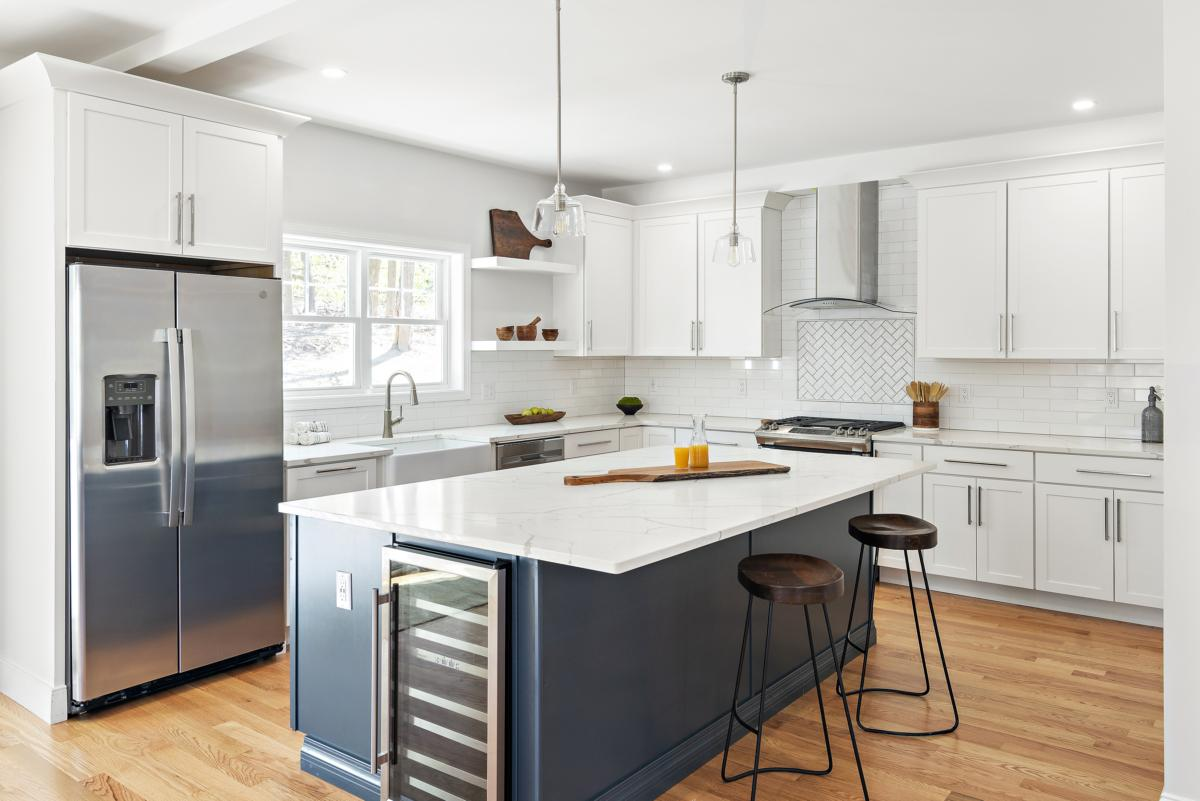
Average kitchen renovation expenses in Massachusetts depend mostly on the degree of remodel, area of the renovation, and quality of the fixtures. Due to these factors, two relatively similar kitchens can fall into vastly different cost ranges, so the best way to set reasonable expectations is to establish scope and outline the key fixtures with your chosen remodeler, kitchen renovation costs will then generally be placed in the following categories based on level of change: Minor, Major, or full kitchen remodel. Ballpark pricing for a full kitchen remodel in MA is typically $60,000-$100,000.
Understanding Kitchen Remodel Cost Ranges
Not all remodels are the same. In Massachusetts, contractors typically scope the project first (minor vs major vs full), then adjust pricing based on kitchen size, finish level, and whether trades or permits expand beyond straightforward replacement work. It’s usually a bad idea to hire a contractor who isn’t fully transparent about pricing. “Let’s see how it goes” is often code for “you’ll spend more than you planned.” The initial quote may look far lower than everyone else’s, but the final cost can quickly spiral out of control.
Minor Remodel.
A minor kitchen remodel keeps the existing layout and most core elements in place, focusing on cosmetic upgrades that improve the look and day-to-day function without major construction. That usually means things like repainting, swapping cabinet hardware, updating faucets and fixtures, replacing light fixtures, adding a simple backsplash, and making small repairs or adjustments to existing cabinetry. In some cases it can include budget-friendly countertop replacement or a like-for-like appliance swap, but it avoids “big ticket” scope like moving plumbing/electrical, replacing all cabinets, or major structural changes.
For a minor kitchen remodel, you may spend around $30,000-$40,000. This can obviously fluctuate higher or lower depending on the size of the kitchen and finished material you ultimately select.
Major Remodel
A major kitchen remodel will preserve the original layout of the kitchen like a minor refresh. Kitchen remodels of this scope tend to see cabinet replacement, along with brand new – high quality countertops, typically granite or quartz and further upgrades to your appliances. Depending on the quality of materials that are used and size of the kitchen, you may spend between $50,000-$75,000 on this type of remodel.
Full Remodel
A full kitchen remodel typically goes beyond surface upgrades and involves rebuilding the kitchen around a new layout. This scope often includes demolition down to studs where needed, removing or relocating walls when structural conditions allow, and moving key elements such as the sink, range, or refrigerator to improve workflow. Because the layout changes, full renovations usually require expanded electrical and plumbing work, updated lighting plans, and permits and inspections,
especially in older Massachusetts homes. Material selections also tend to move up-market, with full cabinet replacement, premium countertops, upgraded flooring, and higher-end appliances and fixtures commonly included. A full remodel typically falls between $75,000-$100,000 with the final number driven by the amount of structural work, the extent of trade relocation, and the finish tier.
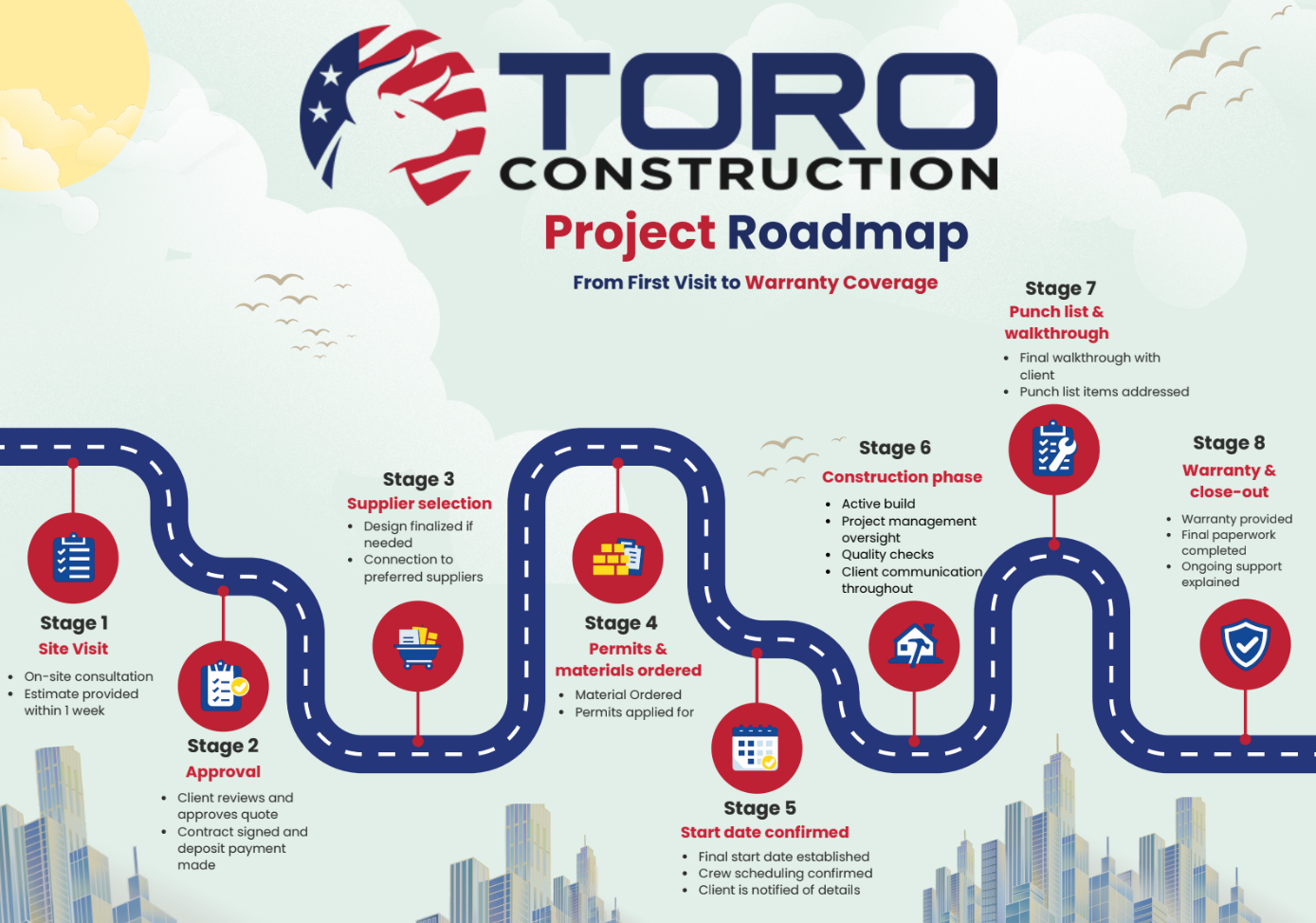
Cost figures online often look inconsistent because “kitchen remodel” is not defined the same way across sources, some estimates assume surface updates only, while others include layout changes, trade upgrades, permits, supplier coordination, project management, and warranty coverage, all of which materially change the total. Lower bids are sometimes achievable with smaller crews that run lean, but the tradeoff can be less predictability around scheduling, communication, and close-out support; larger corporate firms may offer more standardized systems and oversight, but overhead can raise total cost. A practical middle ground is choosing a contractor that documents process and coordination without operating like a national corporate model, and Toro Construction is one local example of that approach through its published project roadmap, in-house trade capabilities, and warranty close-out documentation.
Kitchen Remodel Cost Breakdown by Component
Across all kitchen sizes in Massachusetts, total project cost tends to follow similar allocation patterns.
Cabinetry (25%–35%)
Cabinetry is usually the largest expense. This is due to the high cost for raw materials such as solid hardwood, and the complex manufacturing process
Labor (20%–30%)
Labor includes demolition, installation, electrical work, plumbing, and finish carpentry. Older Massachusetts homes may increase labor time.
Countertops (10%–15%)
Material selection significantly affects countertop prices.
Appliances (10%–20%)
Standard packages cost far less than professional-grade systems.
Flooring (5%–10%)
Material and installation vary based on selection.
Permits (5%–10%)
Permit fees, inspections, and debris removal are required. Once these components are understood, size becomes easier to evaluate.
Kitchen Remodel Cost by Kitchen Size
Although scope drives complexity, square footage increases material volume and labor time. Smaller kitchens limit material quantity but can still reach higher ranges when custom finishes or layout changes are involved. Larger kitchens increase cabinetry, countertop surface area, and trade coordination, which raises total investment.
Beyond cost, timing also plays a role in planning.
Project Timeline
Remodel duration depends on scope, material availability, and municipal permitting. In Massachusetts, inspection scheduling and structural approvals can influence overall timing.
Minor Remodel (4-5 Weeks)
Minor remodels typically include demolition, cabinet installation, countertop replacement, appliance setup, and finish work. Because layouts remain intact, plumbing and electrical adjustments are limited, which keeps timelines shorter.
Major Remodel (8-12 Weeks)
Major remodels often involve expanded cabinetry replacement, upgraded electrical work, lighting changes, and moderate plumbing relocation. This phase may also include inspections, which can extend timelines depending on the municipality.
Full Renovation (10–16+ Weeks)
Full renovations include layout reconfiguration, structural modifications, mechanical updates, and custom finishes. Structural review, permit approvals, and inspection sequencing frequently add additional coordination time.
Permit approvals and inspection scheduling in Massachusetts can extend any of these timelines, particularly when structural work or mechanical upgrades are involved.
Ways to Reduce Kitchen Remodel Costs in Massachusetts
Keep the Existing Layout
Moving plumbing or electrical lines increases labor and permitting costs. Keeping appliance locations in place helps control complexity.
Choose Stock or Semi-Custom Cabinetry
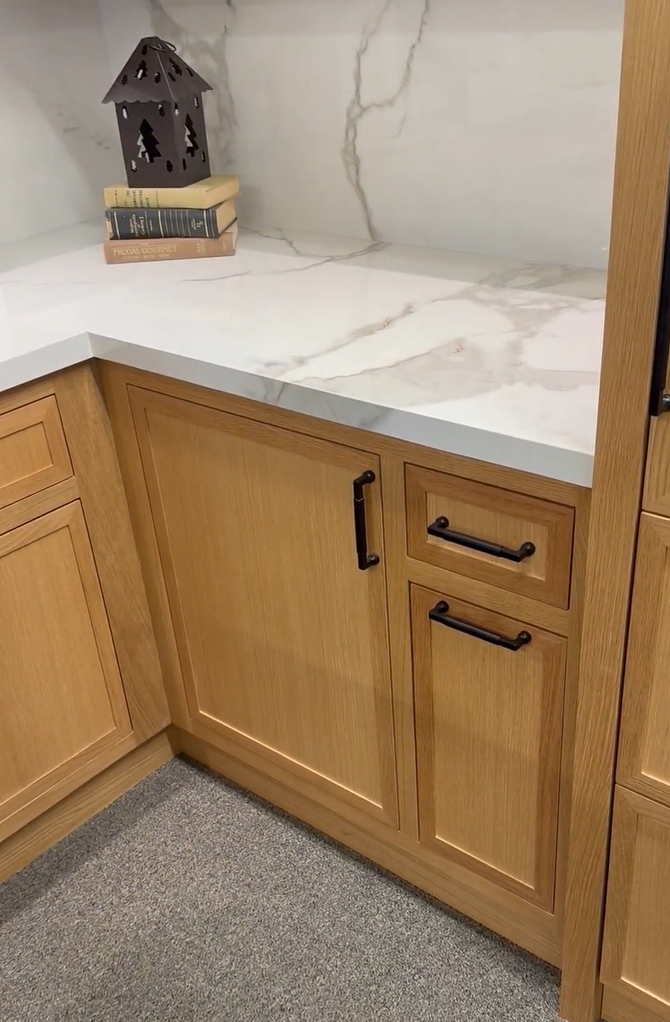
Custom cabinetry significantly raises total cost. Stock and semi-custom options reduce expense while maintaining durability.
Limit Structural Modifications
Wall removal and beam installation add engineering and permit requirements. Structural work is often the largest cost driver.
Select Mid-Tier Appliances
Professional-grade appliances elevate budgets quickly. Mid-tier options often provide strong performance at lower cost.
Handle Minor Tasks When Appropriate
Licensed trades must complete plumbing and electrical work. Homeowners may reduce minor costs by handling painting or hardware installation. Cost control decisions often influence return on investment as well.
Return on Investment
Is a Kitchen Remodel Worth It?
Kitchen remodels consistently rank among the strongest home improvement investments. Cost-vs-value data shows that minor to mid-range remodels often recoup approximately 70% to 95% of their cost at resale, while upscale renovations typically return a lower percentage due to higher material and customization expenses. In Massachusetts, remodels that align with neighborhood expectations and maintain broad buyer appeal tend to perform best.
Designs That May Decrease ROI
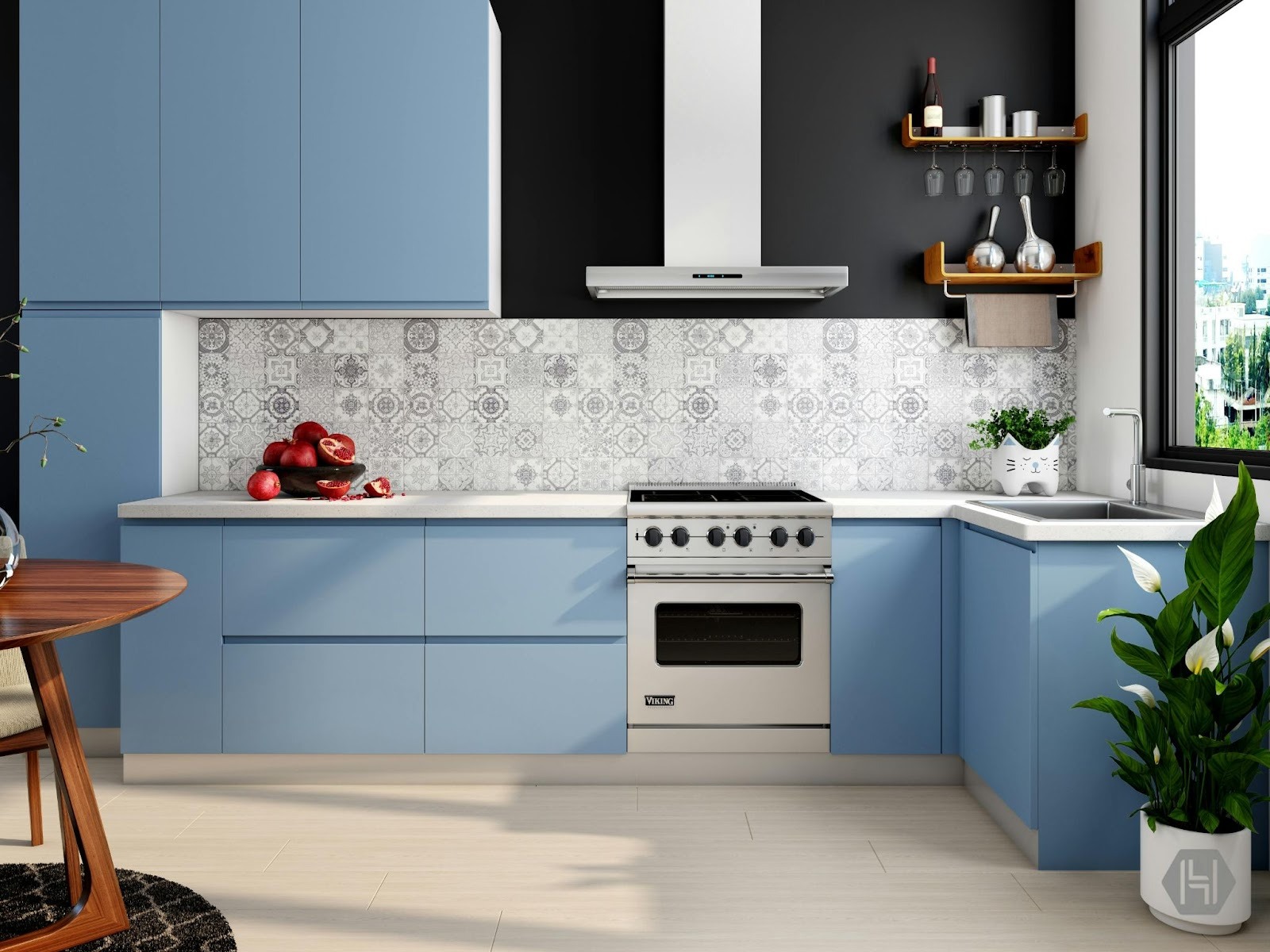
Highly personalized or trend-specific designs can narrow buyer interest. For example:
- Bold color palettes, such as pastel green or blue cabinetry may appeal to some buyers but require repainting or refinishing for others.
- Minimal kitchens sometimes sacrifice warmth, texture, or architectural character. In New England housing stock, buyers often respond better to balanced, transitional finishes.
When buyers perceive renovation changes as something they must “undo,” resale value can soften.
Designs That Often Increase ROI
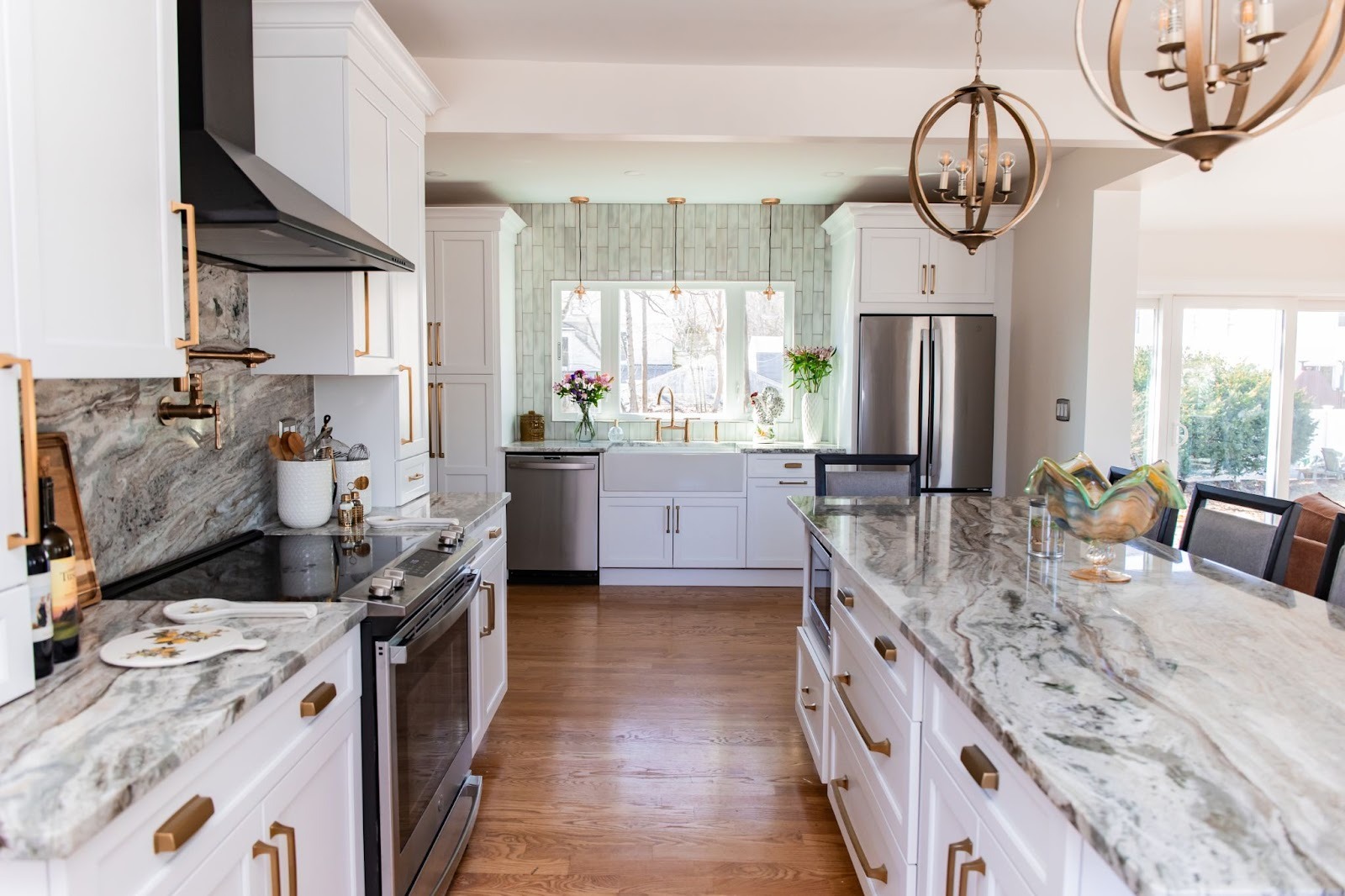
Kitchens that balance modern function with neutral, timeless finishes typically perform better at resale.
- White or soft-neutral cabinetry with stone countertops appeal to a wider buyer base.
- Cabinet fittings and light fixtures that are easy to replace should be where homeowners implement their personal aesthetic preferences if ROI is an important part of their remodel, unlike cabinets and countertops due to the cost and complexity of replacing them.
- Transitional layouts with islands and layered lighting offer flexibility without overwhelming personalization.
Highly contemporary flat-panel cabinetry or bold statement backsplashes can look striking and well-executed; however, resale impact often depends on how well the design aligns with the surrounding market. In traditional New England neighborhoods, overly trend-specific finishes may appeal to a narrower buyer pool compared to more balanced, transitional designs.
In Massachusetts markets, where many homes blend traditional and contemporary elements, balanced designs tend to deliver the most consistent return.
What’s Worth It For You?
The right remodel choice is less about chasing the “perfect kitchen” and more about matching your scope to your timeline and priorities. The Boston Cost vs Value data shows that smaller, midrange updates tend to return the highest share of their cost at resale, while larger major and upscale remodels recover less in resale value alone. The holding-period chart points to the same theme: bigger projects improve over time, but the model still shows a gap, which is why planning around how long you expect to live with the kitchen matters.
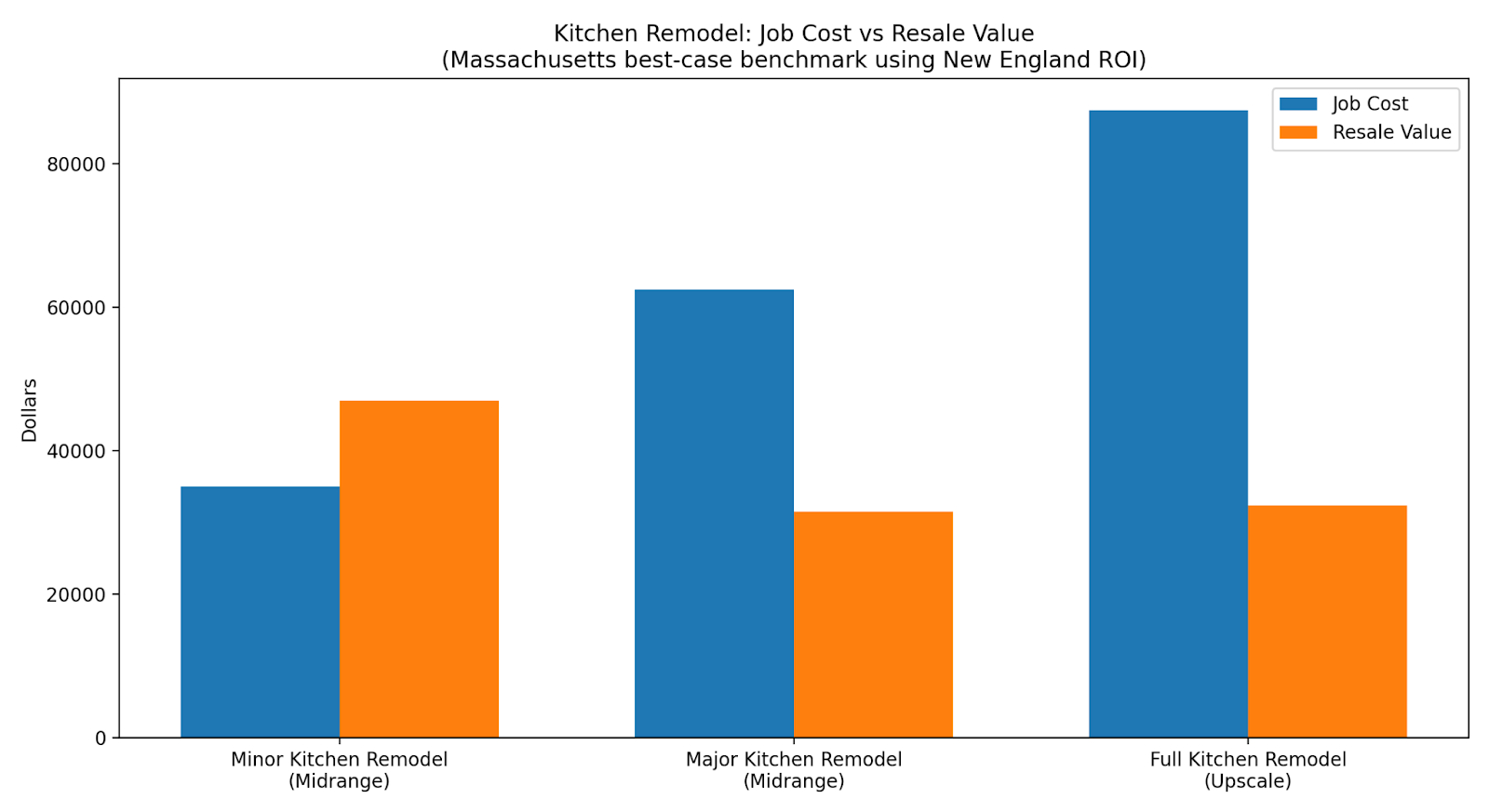
If you expect to sell soon, a minor remodel is usually the safest route because it helps the kitchen present well to buyers without over-investing in features you may not benefit from for long. If you’re planning to sell – but not in the near future, a midrange major remodel can be a strong middle ground, especially if the current kitchen is dated or functionally limiting, because you get day-to-day use now while still to justify because the return is not only resale-driven, it’s also the value of living with the improved layout, storage, and finishes for years.
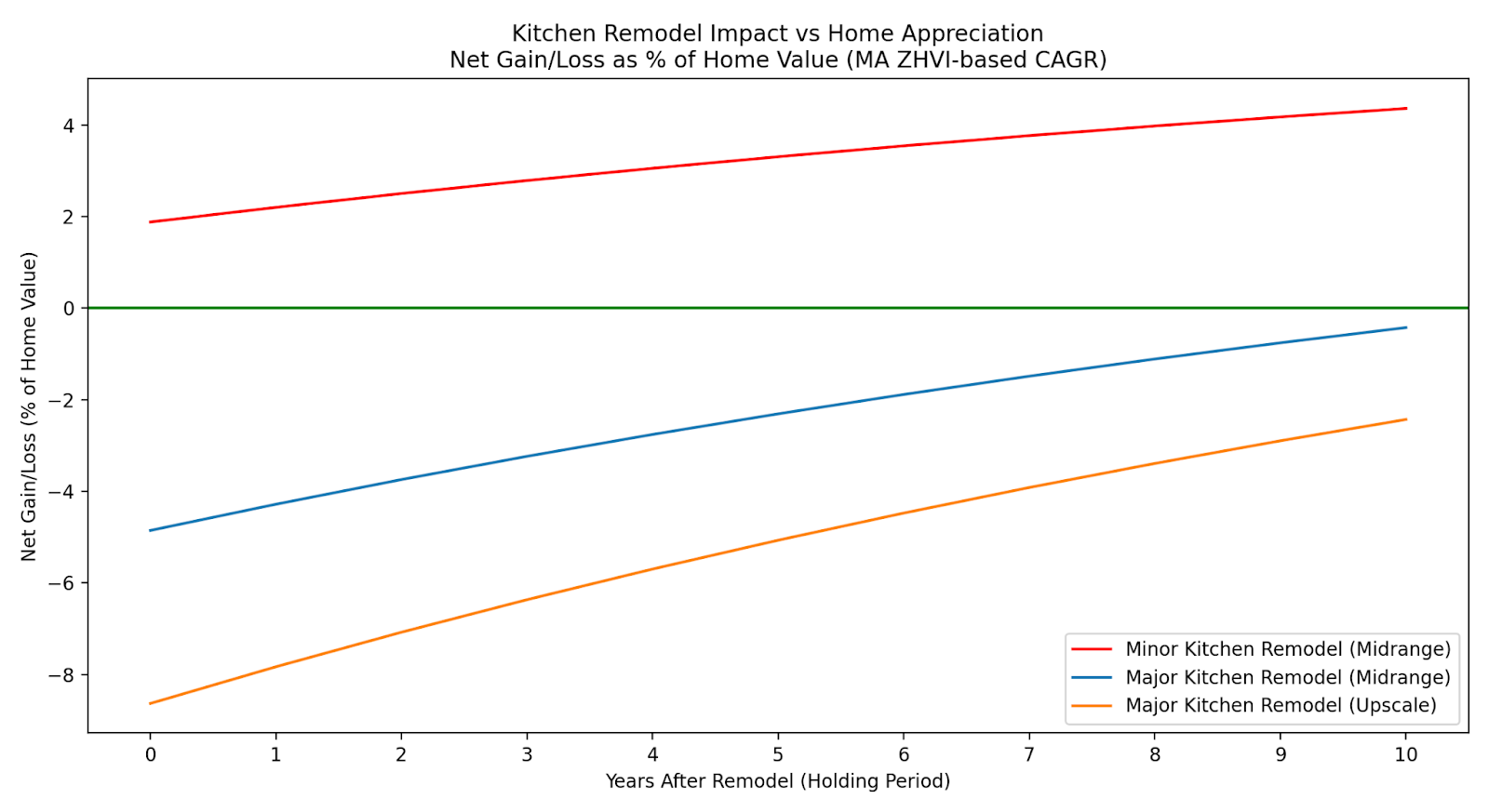
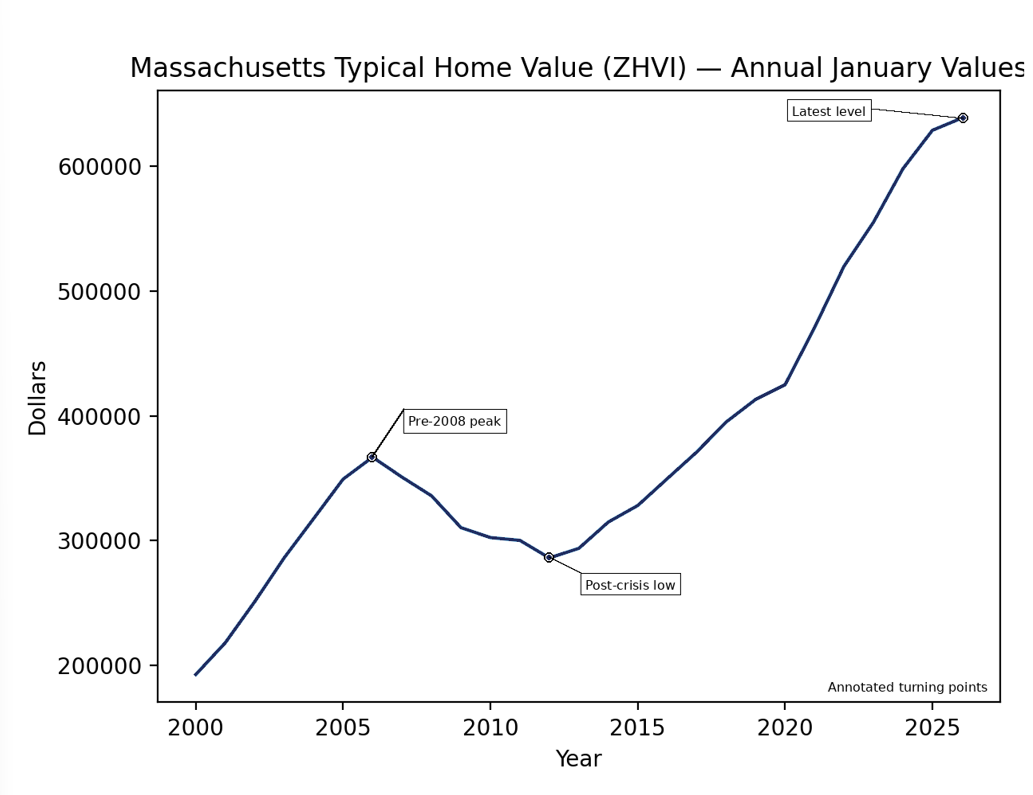
Massachusetts home values have trended upward over the long run, and as your home value grows, the remodel becomes a smaller percentage of what the property is worth over time. That appreciation can make a well-planned remodel feel more comfortable financially, but the strongest outcomes still come from aligning the kitchen’s scope and finish level with what buyers in your area typically expect.
Ratings & Reviews
See what others are saying about us!


Inspiration Gallery


